In today’s borderless digital world, e-commerce has turned the globe into one massive marketplace. But how do businesses truly break through and win over hearts from Tokyo to Toronto, from Paris to São Paulo? The secret lies in e-commerce localization—an approach that goes beyond translation and taps into the cultural pulse of each region. It’s not just about selling products; it’s about creating a shopping experience that feels native, personal, and trustworthy to diverse audiences. Let’s explore what e-commerce localization is, why it’s crucial for your global strategy, and how to master it.
Understanding e-commerce localization
At its core, e-commerce localization means transforming your online store to align with the language, culture, and preferences of different markets. It’s more than swapping English for Spanish or French—it’s about making your website feel like it was built for that specific audience. Localization covers everything from translating product descriptions to adapting the website design, payment methods, and even customer support systems.
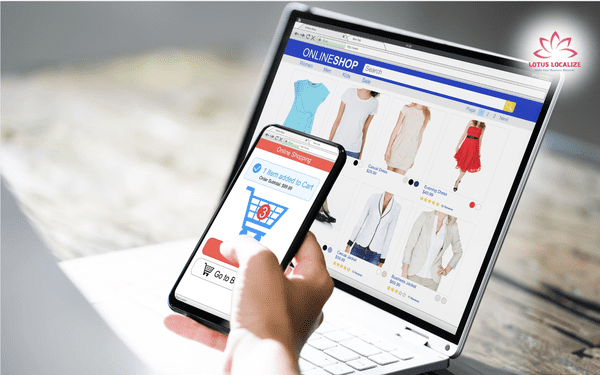
Creating a personalized shopping experience with localized product descriptions and culturally relevant design.
Imagine browsing an online store where everything, from the currency to the product names, is tailored to your local culture. The images reflect your style, the language is familiar, and the payment options are exactly what you use daily. That’s the power of localization—it makes online shopping seamless and intuitive, no matter where the customer is located.
Localization isn’t just about making your store look good in another language; it involves technical adaptations too. Whether it’s adjusting payment methods (think Alipay for China or SEPA for Europe) or ensuring shipping options comply with local logistics, successful localization integrates every detail to meet the region’s expectations.
In the hyper-competitive world of e-commerce, being “global” isn’t enough anymore. The real win is being locally relevant on a global scale. Here’s why localization is a must-have for any business looking to penetrate international markets:
When customers land on your website and see content that speaks their language, literally and culturally, they’re more likely to trust your brand. The personalized touch can convert casual browsers into loyal customers. A study shows that 75% of online shoppers prefer buying products in their native language. That trust doesn’t just boost conversion rates—it fosters long-term loyalty and turns international customers into repeat buyers.
Boosting trust and engagement by speaking the customer’s language and addressing their cultural needs.
Localization also enhances your search engine visibility. Google and other search engines prioritize content that is relevant to the user’s location. By using localized SEO strategies (e.g., region-specific keywords and meta descriptions), you’ll rank higher in search results and capture organic traffic in new markets. The more your brand resonates with local shoppers, the more likely you are to achieve a strong foothold in a competitive global market.
While the rewards are immense, e-commerce localization comes with its own set of challenges. One of the biggest hurdles is managing multiple versions of your website, each tailored to a specific region. Each localized site requires its own translations, design tweaks, and technical updates, which can become time-consuming and resource-intensive.
Navigating the complexity of managing localized e-commerce sites for different markets.
Another major challenge is staying compliant with regional regulations. For example, data privacy laws like GDPR in Europe demand strict adherence to protect customer information, while return policies and payment practices vary significantly by country. Ensuring you meet these requirements in every region is essential to avoid legal troubles and maintain customer trust.
Beyond legal complexities, there’s the challenge of navigating cultural differences. A marketing campaign that resonates in North America might flop in Japan if it doesn’t align with local tastes and values. Understanding how different markets respond to colors, imagery, and even humor is crucial. Localization isn’t a one-size-fits-all process—it’s an ongoing effort to connect deeply with diverse audiences.
Key approaches to e-commerce localization success
Cultural adaptation
Localization goes beyond translation—it’s about making your store feel “native” in each market. Start by adapting your website’s design, content, and even product offerings to match local tastes. For example, while minimalist layouts may appeal to some Western markets, regions like Latin America often favor bold and vibrant designs. Culturally tailored visuals and product presentations create a sense of familiarity, increasing engagement and trust.
Localized SEO
Optimizing your website for each target market’s search engine is key to being discovered by new customers. Use region-specific keywords, optimize meta descriptions, and even consider creating localized blog content to cater to local search habits. Subdomains or country-specific URLs can further boost your site’s visibility in specific markets, driving more organic traffic.
Localized payment methods
One of the easiest ways to lose customers is by offering limited payment options. Different regions have their own preferences when it comes to payments. While the U.S. favors credit cards, in countries like Germany, bank transfers are preferred, and in China, mobile payments dominate. Integrating a variety of payment methods ensures customers can check out smoothly without friction.
Reduce cart abandonment by offering familiar and trusted payment methods in each region.
Local-language customer support
Great customer service is essential, and offering it in the local language can make all the difference. Whether it’s through a multilingual support team or AI-powered chatbots, ensuring your customers can reach out in their native language enhances their shopping experience and builds lasting loyalty.
Legal compliance
Understanding the legal framework in each region is critical for avoiding fines and maintaining your reputation. From privacy laws to product labeling regulations, staying compliant ensures your business runs smoothly and ethically. Tailoring your legal policies to each country’s requirements will prevent you from getting bogged down in legal disputes and protect your brand image.
E-commerce localization is the gateway to true global market penetration. By going beyond translation and fully embracing the nuances of each market—culturally, linguistically, and legally—businesses can tap into new customer bases and build stronger, more loyal connections. Whether you’re expanding into new territories or optimizing your current international strategy, localization is the key to standing out from the crowd and leading in the global marketplace.
The world is your marketplace—are you ready to localize and lead?
As dentistry becomes increasingly globalized, accurate dental translation service plays a vital role in ensuring effective communication between patients, healthcare providers, and researchers. From patient records and treatment plans to medical device manuals and research publications, precise dental translation is essential for delivering high-quality dental care worldwide. Without professional dental translation, misunderstandings can lead to misdiagnoses, compliance issues, and barriers to accessing advanced treatments.
In today’s rapidly evolving medical landscape, education is no longer confined by borders. Whether it’s a physician in Brazil learning from a surgical procedure performed in Japan or a nursing student in Kenya studying via a U.S.-based e-learning module, access to medical education has become truly global. But to ensure that this exchange of knowledge is effective and safe, medical education translation plays a vital role. Translating medical training content is not just about changing words from one language to another — it’s about preserving the integrity, accuracy, and applicability of knowledge that directly impacts patient care. This article explores why precise medical education translation is indispensable and how it helps build a globally competent healthcare workforce.
In today’s hyper-connected world, the ability to communicate effectively across languages and cultures is a non-negotiable skill for businesses and organizations aiming to go global. But crafting a message that resonates universally is not as simple as translating text into a new language. The real challenge lies in connecting with diverse audiences in a way that feels personal and culturally relevant. This is where translation and localization step into the spotlight. These two processes, while closely related, play distinct roles in bridging language barriers and cultural gaps. For businesses and individuals aiming to succeed globally, understanding the differences and knowing when to use each approach is key to maximizing impact. Let’s dive deep into the concept of translation vs localization and how these strategies can empower your global communication efforts.
Expanding into international healthcare markets requires clear and accurate communication. Translating medical marketing material plays a vital role in educating patients, healthcare professionals, and regulatory authorities about medical products and services. However, translating these materials is not as simple as converting words from one language to another. It requires careful adaptation to ensure medical accuracy, regulatory compliance, and cultural relevance. In this article, we will explore the key aspects of medical marketing translation, the challenges involved, and best practices to ensure effective and impactful translations.
Accurate engineering translation services are essential in today’s global market. Technical documents must be precisely translated to ensure compliance, safety, and efficiency. A single translation error can lead to costly mistakes, legal issues, or safety hazards. This article explores the importance of engineering document translation, key industries that rely on it, the risks of poor translation, and why Lotus Localize is your best choice for accurate and reliable translations.
In an increasingly globalized world, seamless communication across languages is vital. Whether managing international business, fostering cross-cultural connections, or supporting healthcare for diverse communities, knowing the difference between a translator vs interpreter ensures the right solution for your needs. While these roles might seem similar, they require unique skills. This guide explores what sets them apart, how they facilitate communication, and the future trends shaping both professions.
Life sciences translation trends in 2025 are transforming the industry with AI advancements, evolving global regulations, and personalized medicine. Companies must adapt to ensure accuracy, compliance, and efficiency. This article explores 5 keys translation trends and their impact on life sciences translation in 2025.
In today's interconnected world, industries such as chemical engineering are no longer confined within national borders. Research collaborations span continents, safety protocols must meet international standards, and chemical products are manufactured and distributed globally. At the heart of this scientific and industrial integration lies an often-overlooked but critical service: chemical engineering translation.
In the global pharmaceutical industry, accurate and compliant label translation is not just a regulatory requirement—it is a matter of patient safety. A minor error in pharmaceutical label translation can lead to severe health risks, legal complications, and financial losses for pharmaceutical companies. This article explores the importance of pharmaceutical label translation, the challenges involved, and the best practices to ensure accuracy and compliance.
Lotus Localize is the leading translation and localization company,
specializing in major Asian languages. Translation, interpretation,
localization, subtitling, voice-over, and dubbing make up our services.